Fiyatlandırma, sunduğunuz değeri gelire bağlayan sistemdir. Bu rehber; veri toplama, strateji seçimi, model kurma, test etme ve otomasyonla fiyatlandırmayı pratik şekilde kârlı hale getirme adımlarını sunar.
December 21, 2025 (10mo ago) — last updated September 21, 2026 (1mo ago)
Kârlılığı Artıran Fiyatlandırma Modeli: Veri Odaklı Rehber
Veri, test ve otomasyonla fiyatlandırma kurarak kârlılığı artırmanın adımlarını öğrenin.
← Back to blog
Kârlılığı Artıran Bir Fiyatlandırma Modeli
Özet
Veri odaklı adımlar, strateji seçimi, test ve otomasyonla kârlılığı artıran fiyatlandırma modeli kurmayı öğrenin.
Giriş
Fiyatlandırma, sadece bir rakam değil; sunduğunuz değeri gelire bağlayan sistemdir. Bu rehber, veri toplama, strateji seçimi, model kurma, test etme ve bunu otomasyona dönüştürerek müşteriye sunma adımlarını uygulamalı biçimde gösterir. Doğru model, hem kârlılığı hem de ölçeklenebilirliği artırır.
Pratik Bir Fiyatlandırma Rehberi
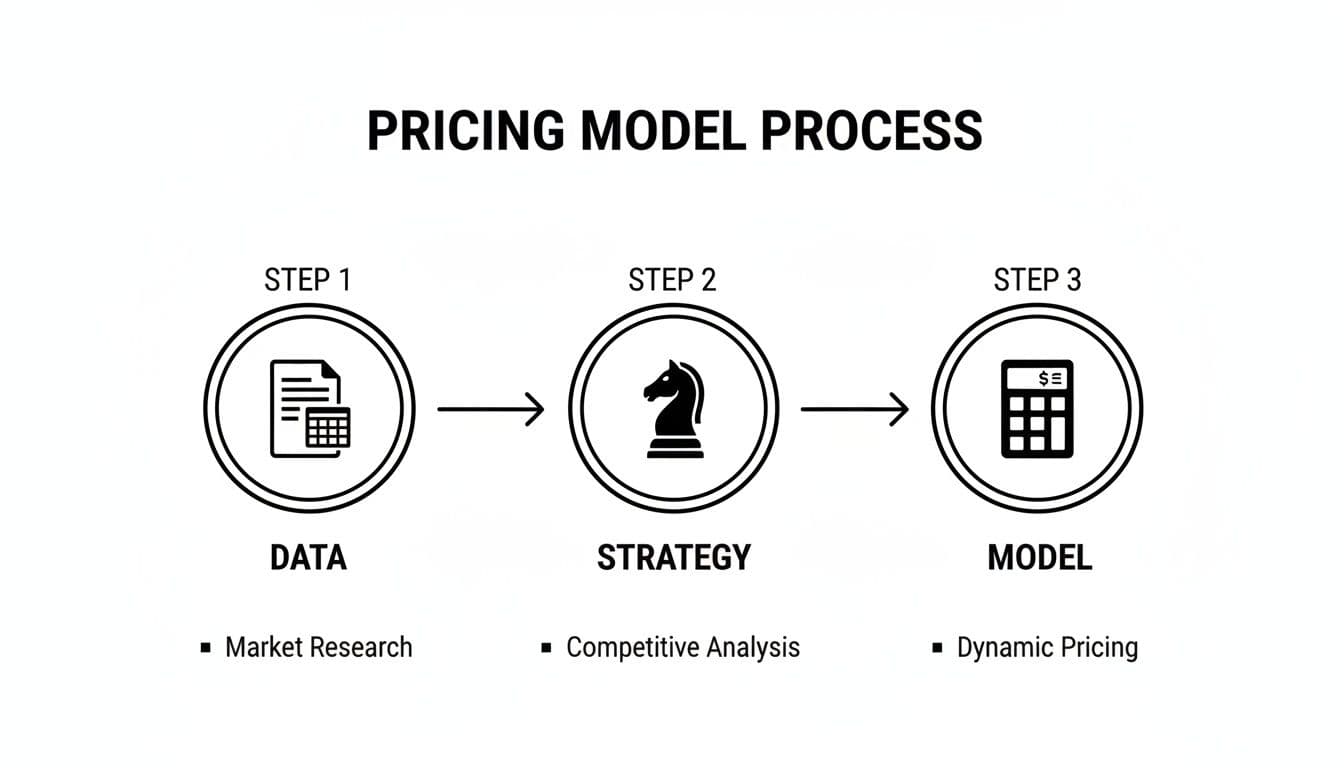
Fiyatlandırma modelini aşama aşama ele almak işi kolaylaştırır: araştırma, strateji ve uygulama. İyi bir model, müşterinin ödediği ile aldığı değer arasında doğrudan, veriyle desteklenen bir ilişki kurar.
- Girdi topla: tam yüklenmiş maliyetler, pazar bağlamı ve müşteri değeri.
- Strateji belirle: maliyet-plus, rekabet odaklı, değer odaklı, kademeli veya hibrit yaklaşımlardan hedeflerinize uyanı seçin.
- Mekanikleri kurun: formüller, senaryo analizleri ve doğrulama testleri.
Veri Stratejiyi, Strateji Modeli belirler: bu sıra fiyatlandırmayı hem uygulanabilir hem savunulabilir kılar.
Temel Bileşenlerden Çalışan Bir modele
Her etkili fiyatlandırma modeli birkaç temel girdi ve çıktıya dayanır. Bunları net tanımlamadan inşa etmeye başlamayın.
Fiyatlandırma Modelinin Temel Bileşenleri
| Bileşen | Açıklama | Örnek |
|---|---|---|
| Maliyet girdileri | Ürünü veya hizmeti sunmanın tüm doğrudan ve dolaylı giderleri. | Abonelikler, maaşlar, kira, pazarlama. |
| Değer metrikleri | Müşterinin ödediği değer birimi. | Kullanıcı başı, GB başı, proje başı, saat başı. |
| Fiyat yapısı | Ücretlendirme çerçevesi. | Sabit ücret, kademeli, kullanım bazlı. |
| Hesaplamalar | Maliyetler, değer metrikleri ve marjı birleştiren formüller. | (COGS / (1 - Brüt Marj)) = Fiyat |
| Senaryo analizi | Farklı varsayımları modelleyerek gelir ve kâr etkisini görme. | %10 fiyat artışının %2 daha yüksek churn’dan etkisi. |
| Nihai çıktılar | Müşteriyle paylaşılan fiyat, teklifler ve temel iş metrikleri. | Fiyat sayfası, teklif oluşturucu, projeksiyonlu ARR. |
Bu parçalar tanımlandığında, stratejik ve operasyonel bir model kurmak mümkündür.
Teoriyi Gelire Dönüştürmek
Jargonu bir kenara bırakın ve uygulamada işe yarayana odaklanın: doğru yapıyı seçin ve modern araçlarla fiyatlandırmayı dinamik hale getirin. Örneğin, sitenize gömülü interaktif bir hesaplayıcı, ziyaretçileri nitelikli olasılıklara dönüştürebilir ve anında yatırım getirisi gösterebilir. Pazarlama kampanyası etkisini nicelendirirken kullanışlı araçlar şunlardır: Facebook Ads Cost Estimator ve Email List Value Estimator.
“İnteraktif araçlar oluşturduğunuzda müşterilere self-servis seçenekler sunarsınız. Bu güven oluşturur ve satış ekiplerinin yüksek değerli anlaşmalara odaklanmasını sağlar.”
Gerekli Fiyatlandırma Verilerini Toplama
Modeli kurmadan önce güvenilir veriler toplayın. Doğru girdi olmadan fiyat belirlemek kum üzerinde inşa etmektir.
İç Maliyetlerle Başlayın
Tam yüklenmiş maliyetleri hesaplayın, örneğin:
- Değişken maliyetler: malzeme, nakliye.
- Sabit maliyetler: kira, sigorta, tekrar eden yazılım ücretleri.
- İşgücü maliyetleri: maaş, yan haklar, vergiler, genel gider payı.
- Müşteri Edinme Maliyeti (CAC): toplam satış ve pazarlama harcaması / yeni müşteri sayısı.
CAC $500 ise, kârlı kalmak için fiyatınızın buna göre hesaplanması gerekir.
Rekabeti Analiz Edin
Rakipleri inceleyin ve kabul görmüş fiyat aralıklarını, yapılarını öğrenin. Sorular:
- Rakipler ne alıyor?
- Fiyatları nasıl yapılandırılmış?
- Kendinizi nerede konumlandırıyorsunuz—premium, değer veya bütçe?
Rakipleri bağlam olarak kullanın; kural olarak değil. Tarihsel veri mevsimsellikleri gösterir ve lansman fiyatını planlamaya yardımcı olur.
Müşteri Değerini Nicelendirın
Müşteriler özellik değil, çıktılar satın alır. Özellikleri ölçülebilir faydalara çevirin: “haftada 10 saat tasarruf” ya da “uyumluluk riskini %50 azaltır” gibi. Faydayı nicelendirirseniz, değere dayalı fiyatlandırabilirsiniz. İlgili araçlar: Consulting Rates Estimator ve Business Valuation Estimator.
Doğru Fiyatlandırma Stratejisini Seçmek
Maliyet, pazar ve değer verileri elinizdeyken, hedeflerinize uygun bir mimari seçin. Tek bir doğru yok; uyum önemlidir.
Maliyet-Plus ve Rekabet Odaklı Yaklaşımlar
Maliyet-plus basittir: maliyeti karşılayın, üzerine kar ekleyin. Güvencesi vardır ama müşterinin ödeme isteğini göz ardı eder. Rekabet odaklı fiyatlama pazarla uyumlu olabilir ama fiyat savaşlarına yol açabilir. Bu yöntemler benzersiz müşteri değerinizi ortaya koymaz.
Değer Odaklı ve Modern Servis Modelleri
Değer odaklı fiyatlama, fiyatı müşterinin elde ettiği faydaya bağlar. Eğer çözümünüz müşteriye yılda $10.000 tasarruf sağlıyorsa, $2.000 fiyatlandırma makul olabilir. Bu yaklaşım kademeli ve kullanım bazlı modellerle uyumludur ve marjları iyileştirebilir. Popüler yapılar:
- Kademeli fiyatlandırma: Basic, Pro, Enterprise.
- Kullanım bazlı fiyatlandırma: GB, API çağrısı veya işlem başı ücret.
Uzun vadeli değerlendirmeler için Business Valuation Estimator ile yaşam boyu değerleri nicelendirerek strateji oluşturun.
Finansal Model Kurma ve Test Etme
Önce bir elektronik tabloyla başlayın: sabit ve değişken maliyet hücreleri, değer metrikleri, rakip verileri ve hedef marjlar oluşturun.
Varsayımları Stres-Testinden Geçirme
Duyarlılık analizi yapın:
- Bir malzeme maliyeti %15 artarsa ne olur?
- Dönüşüm oranı %5 düşerse CAC nasıl etkilenir?
- Sabit maliyet aylık $2.000 artarsa yeni başa baş noktası nedir?
Dalgalanmalara dayanabilen model güvenilirdir.
Prototipten Gerçek Dünyaya Doğrulama
Doğrulamak için test yapın. Fiyat noktalarını karşılaştırmak için A/B testleri düzenleyin ve anket, röportajlarla müşteri geri bildirimi alın. Nicel A/B sonuçlarını nitel içgörülerle birleştirerek müşterinin kabul edeceği, aynı zamanda marjları koruyan fiyatı seçin.

E-tablo mantığını interaktif bir hesaplayıcıya dönüştürün; bu teklif süresini hızlandırır ve daha kaliteli lead’ler yaratır. Örneğin bir pazarlama ajansı, potansiyel müşterilerin kampanya ROI’sini anında tahmin etmesi için Facebook Ads Cost Estimator aracını gömebilir.
Fiyatlandırmayı Uygulama ve Otomasyon
Elektronik tablodan fazlası gerekir. CPQ (Configure-Price-Quote) sistemi veya e-ticaret motoruna kurallarınızı uygulayın ki fiyatlar tutarlı olsun.
Manuel Tekliften Self-Servise
“İletişime geçin” sürtüşmesini kaldırarak anında tahminler sunun. Self-servis hesaplayıcılar idari yükü azaltır ve satışın karmaşık anlaşmalara odaklanmasını sağlar. Bir serbest çalışan, hızlı tahmini ve nitelikli lead’leri belirlemek için Consulting Rates Estimator aracını sitesine ekleyebilir.
Otomatik Fiyat Araçlarının Stratejik Faydaları
Otomasyonun sağlayacağı kazanımlar:
- Daha iyi lead kalitesi; hesaplayıcı kullananlar çözümü aktif değerlendirir.
- Kısa satış döngüleri; “Bu ne kadar tutar?” sorusuna anında cevap verir.
- SEO ve trafik iyileşmesi; interaktif araçlar sayfada geçirilen süreyi artırır ve backlink çekebilir, bu da arama sinyallerini güçlendirir3.
- Farklılaşma; rakiplerin “fiyat için iletişime geçin” saklandığı yerde şeffaflık sunmak ayrıştırır.
İç mantığınızı interaktif deneyime dönüştürerek fiyatlandırmayı aktif bir büyüme varlığına çevirin.
Fiyat Modelini İnce Ayar: Lansmandan Ustalığa
Fiyatlandırma bitmeyen bir süreçtir. Ölç, analiz et, ince ayar döngüsü kurun.
İzlenecek temel KPI’lar:
- Kullanıcı Başına Ortalama Gelir (ARPU)
- Müşteri Yaşam Boyu Değeri (LTV)
- Müşteri Edinme Maliyeti (CAC)
Sürdürülebilir büyüme için LTV:CAC oranını 3:1 veya daha yüksek hedefleyin. KPI’ları düzenli gözden geçirin; maliyet, rekabet veya müşteri davranışı değiştiğinde ayar yapın.
Veriyi Eyleme Çevirme
Fiyat analitiğiyle en kârlı segmentleri bulun. Örneğin interaktif hesaplayıcı kullanan lead’lerin dönüşüm oranı daha yüksekse pazarlamayı bu kanallara yoğunlaştırın.
Geçmişe Bakarak İleriye Gitme
Tarihsel veriler, kademe sayısını, mevsimsel fiyatlamayı ve lansman stratejilerini tanımlar. Ölç–analiz–ayarla döngüsü, sektörde fark yaratanları belirler2.
Zor Fiyat Sorularınıza Kısa Yanıtlar
Fiyatı ne sıklıkla gözden geçirmeliyim?
Derin bir incelemeyi yıllık yapın; temel KPI’ları aylık veya çeyreklik izleyin. Maliyetlerde önemli değişim, rakip hamlesi, yeni ürün lansmanı veya müşteri davranışında kayma olursa hemen tekrar gözden geçirin.
En büyük fiyat hatası nedir?
Sadece iç maliyetlere veya rakiplere odaklanıp müşteri değerini görmezden gelmektir. Fiyatı müşteri çıktısına dayandırın.
Fiyat modellerini birleştirebilir miyim?
Evet. Kademeli aboneliklerin kullanım ekleri gibi hibrit modeller yaygındır. Müşterinin ne ödediğini net anlaması şart.
Kısa Soru–Cevap Özetleri
Q&A 1 — Veri ve Maliyetler
Q: Hangi veriler en önemlisi?
A: Tam yüklenmiş maliyetler, CAC, rakip fiyatları ve nicelendirilebilir müşteri çıktıları.
Q&A 2 — Strateji ve Yapı
Q: Hangi stratejiyi seçmeliyim?
A: Ürün değerinize göre seçim yapın: emtialaşmış pazarlarda maliyet-plus, farklılaşmış teklifler için değer odaklı, karma hizmetlerde hibrit modeller.
Q&A 3 — Uygulama ve Büyüme
Q: Fiyatlandırmayı nasıl ölçeklendiririm?
A: Teklif otomasyonunu kurun, interaktif araçlar gömün, KPI’ları izleyin ve A/B testleriyle yineleyin.
Hazır mı? Değerleri nicelendirip interaktif deneyime dönüştürmek için şu araçları deneyin: Business Valuation Estimator ve Consulting Rates Estimator.
1.
McKinsey & Company, “The power of pricing,” McKinsey & Company. https://www.mckinsey.com/business-functions/marketing-and-sales/our-insights/the-power-of-pricing
2.
Harvard Business Review, “How to Price with Confidence,” Harvard Business Review. https://hbr.org/2019/10/how-to-price-with-confidence
3.
Moz / HubSpot araştırmaları: etkileşim süresi ve interaktif araçların arama performansına olumlu etkisi. Kaynaklar için: https://moz.com ve https://hubspot.com
Kendi Araçlarınızı Ücretsiz Oluşturmaya Hazır mısınız?
Karları artırmak ve daha fazla müşteri kazanmak için özel tahmin araçlarını kullanan yüzlerce işletmeye katılın
✨ Kodlama gerekli değil • 🚀 Dakikalar içinde hazır • 💸 Oluşturmak ücretsiz